
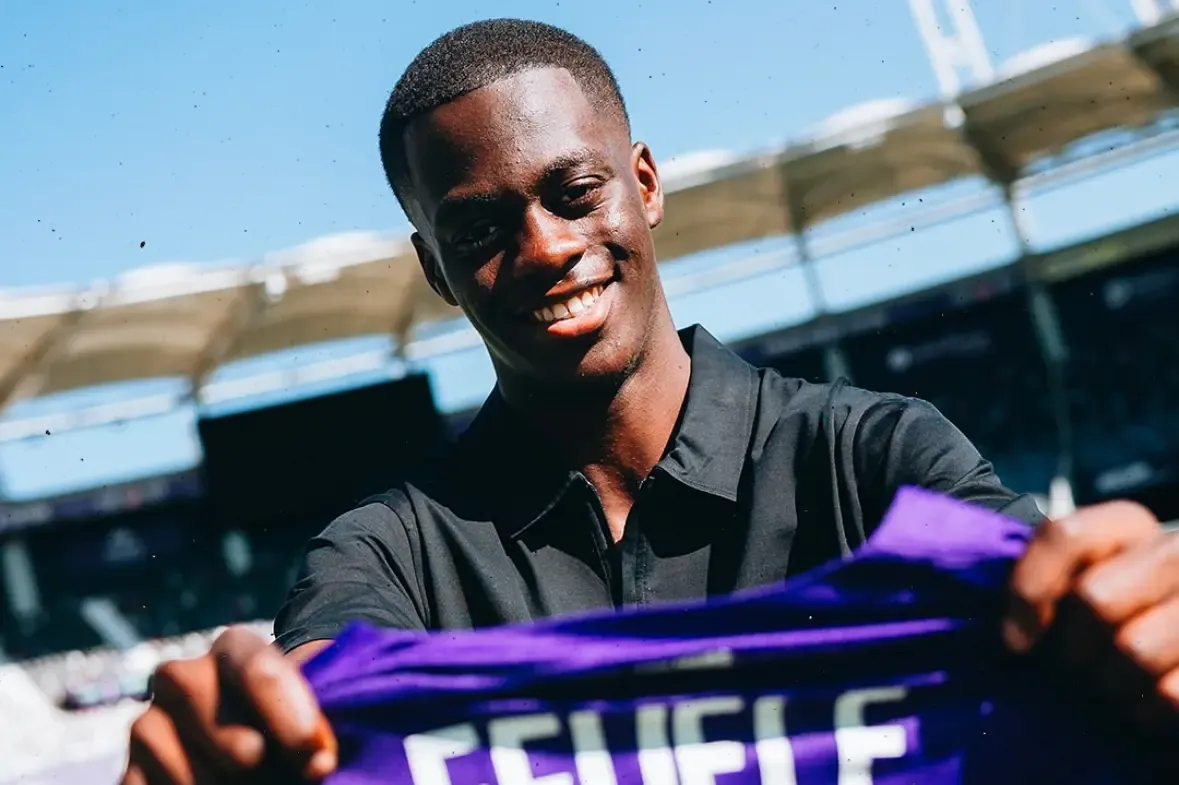
Frederic Efuele Ngoyala presents a structured overview of his background, tactical evolution, and steady progression in professional football. The following is a summary of information from Jalalive about “Frederic Efuele Ngoyala Biography”, highlighting essential milestones, personal foundations, and long-term potential. His journey reflects discipline, adaptability, and consistent development within competitive European environments.
Frederic Efuele Ngoyala Biography defensive action match moment
Early Life And Personal Background Of Frederic Efuele Ngoyala Biography
Understanding a player’s roots helps explain the character and mentality behind professional performance. This section outlines key personal details before examining how early experiences shaped his football foundation.
- Full name: Frederic Efuele Ngoyala.
- Date of birth: 2000.
- Nationality: French.
- Place of birth: France.
- Position: Defender.
- Preferred foot: Right.
Growing up in France provided access to structured academy systems known for tactical education and technical discipline. From a young age, he displayed composure on the ball and strong positional awareness, traits that later became defining characteristics in senior competition.
Youth Development And Academy Formation
Frederic Efuele Ngoyala progressed through organized youth academies that emphasized defensive coordination and ball distribution. Coaches recognized his spatial awareness and calm decision-making under pressure. Training sessions focused heavily on tactical structure, ensuring he understood defensive transitions, marking responsibilities, and collective organization.
Mentality And Early Competitive Exposure
Early competitive matches tested his consistency. Facing varied attacking styles strengthened resilience and concentration. Frederic Efuele Ngoyala learned to maintain focus across ninety minutes, minimizing errors and contributing to overall defensive stability.
Exposure to regional tournaments also introduced him to higher tempo environments. Adjusting to faster play improved reaction timing and spatial positioning, reinforcing his long-term developmental trajectory.
Professional Career Growth And Tactical Progression
The transition from academy football to senior competition demands adaptability. Frederic Efuele Ngoyala demonstrated maturity in this phase, gradually integrating into professional structures without abrupt leaps.
Initial appearances often came in rotational roles, allowing him to gain match rhythm while refining communication with senior teammates. His ability to execute simple but effective passes supported build-up play from defensive lines. Over time, trust from coaching staff increased as performances showed reliability rather than inconsistency, a progression clearly reflected in Frederic Efuele Ngoyala Biography.
A notable aspect of his growth lies in defensive discipline. He maintains line integrity and rarely abandons positional structure unnecessarily. This tactical awareness reduces exposure to counterattacks and strengthens collective organization.
Read more on Jalalive TV https://jalalive22.io/jadwal-bola-hari-ini/
Defensive Strengths And Positioning
Frederic Efuele Ngoyala excels in reading attacking movements before they fully develop. Anticipation allows him to intercept passes instead of engaging in risky tackles. His balanced stance and timing help control one-on-one situations effectively.
Another advantage involves aerial stability. While not purely dependent on height, his leap timing and body coordination support defensive clearances. These attributes contribute to structured defensive performances across competitive fixtures.
Ball Distribution And Modern Defender Profile
Contemporary defenders are evaluated not only on stopping attacks but also on initiating transitions. Frederic Efuele Ngoyala demonstrates calm distribution from the back, often choosing progressive yet controlled passes.
Rather than forcing ambitious long balls, he prioritizes intelligent build-up sequences. This method aligns with possession-based systems frequently adopted in European leagues, where structured circulation enhances midfield control.
Playing Style Analysis And On-Field Identity
Evaluating style requires examining movement patterns and decision-making. Frederic Efuele Ngoyala displays a composed defensive identity built on awareness and timing rather than impulsive aggression.
His positioning often anticipates passing lanes, reducing the need for last-ditch interventions. Communication with teammates ensures alignment within defensive blocks, especially during high-press situations. Tactical discipline remains central to his overall contribution, reinforcing themes consistently highlighted in Frederic Efuele Ngoyala Biography.
Physically, he combines mobility with balanced strength. This blend supports lateral coverage without sacrificing central stability. Coaches appreciate players who minimize unnecessary risks while maintaining intensity, qualities frequently observed in his performances.
Future Outlook And Development Potential
Long-term progression depends on sustained performance and adaptability. Frederic Efuele Ngoyala remains in a developmental phase where exposure to varied tactical systems can enhance versatility.
Improving offensive contribution during set pieces may add another dimension to his profile. Additionally, expanding range in diagonal passing could strengthen transitional impact. With structured training and injury management, his trajectory suggests stable growth rather than unpredictable fluctuation.
As competition intensifies, mental resilience will remain critical. Maintaining composure during high-stakes fixtures often differentiates reliable professionals from short-term prospects. Continued refinement in positioning and anticipation may define the next chapter of his career.
Conclusion
Frederic Efuele Ngoyala Biography illustrates a pathway shaped by structured training, tactical awareness, and disciplined progression. His steady integration into professional football reflects reliability and technical growth. As experience increases and responsibilities expand, his development may continue along a stable and sustainable trajectory within European competition.
